
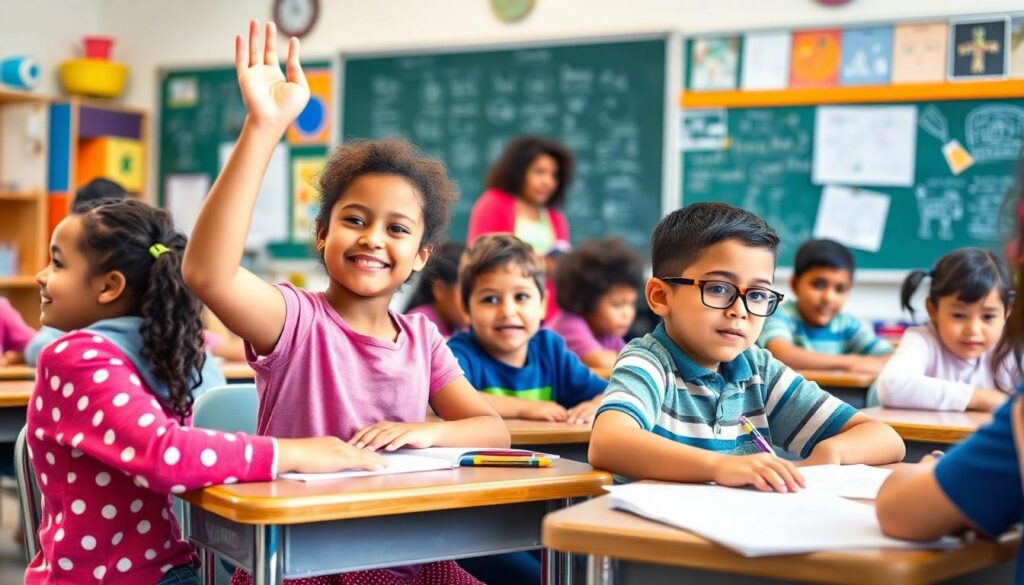
In a world where educational choices can feel as overwhelming as choosing a favorite pizza topping, transitional schools are the unsung heroes. These unique institutions bridge the gap between traditional schooling and specialized learning, offering students a chance to thrive in a tailored environment. Think of them as the Swiss Army knife of education—versatile, adaptable, and ready to tackle the challenges of modern learning.
Transitional schools cater to diverse needs, helping students navigate their academic journey with confidence. They provide a supportive atmosphere where students can develop essential skills, explore their interests, and prepare for the next phase of their education. Whether it’s overcoming learning obstacles or honing talents, these schools turn potential into achievement, all while keeping the learning experience engaging and enjoyable. So, why settle for the ordinary when you can embrace the extraordinary?
Understanding Transitional Schools
Transitional schools play a vital role in reshaping educational experiences for students. These institutions bridge conventional education and specialized learning, meeting diverse needs.
Definition and Purpose
Transitional schools focus on providing unique learning environments. Their primary purpose revolves around supporting students who may face challenges in traditional educational settings. These institutions emphasize skill development, personal interests, and emotional well-being. In addition, they offer tailored programs that encourage students to foster independence and academic success. While traditional schools may not cater to every individual’s needs, transitional schools bridge that gap, offering a more personalized educational experience.
Target Student Demographics
Students attending transitional schools typically range from those with learning differences to those seeking a more adaptable learning environment. Many students exhibit a variety of learning styles and personal challenges, requiring specialized support. These institutions cater to individuals who may struggle in conventional settings due to social, emotional, or academic factors. Children with ADHD, autism spectrum disorders, or anxiety often benefit significantly from transitional schools. This diverse demographic ensures that institutions remain inclusive, addressing the unique needs and strengths of each student.
Benefits of Transitional Schools
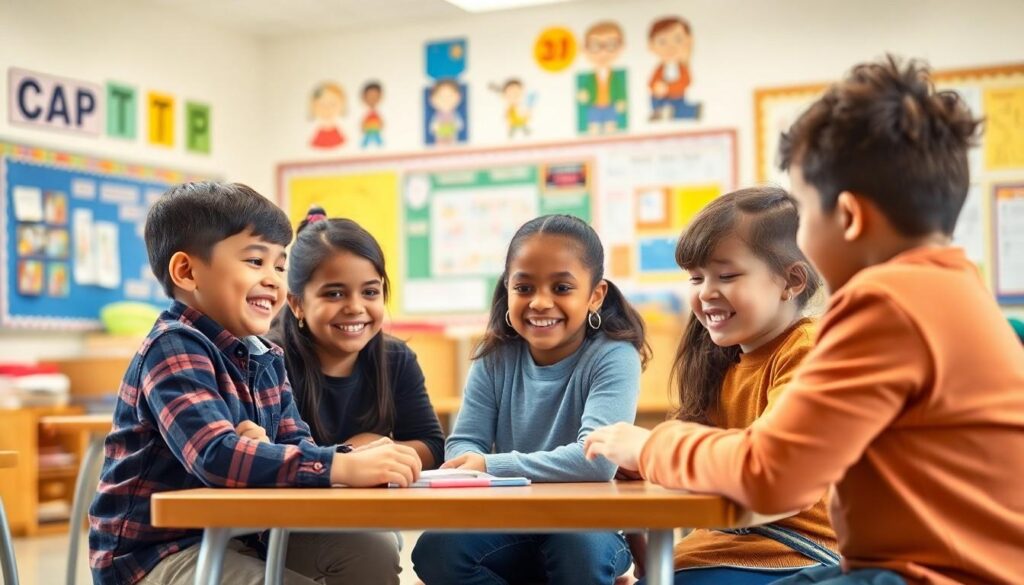
Transitional schools offer numerous advantages for students, focusing on their unique needs. These benefits encompass academic gains and enhanced social-emotional development.
Academic Advantages
Academic success flourishes in transitional schools through customized learning plans. Teachers address varied learning styles, ensuring each student engages with the curriculum. Specialized programs target core subjects and allow students to explore areas of interest. With smaller class sizes, personalized attention boosts comprehension and retention. Students often progress at their own pace, leading to improved confidence and mastery of skills. Assessment methods vary, providing an inclusive understanding of each student’s academic journey.
Social and Emotional Development
Social development thrives in transitional schools, promoting peer interactions and relationship-building. Students learn in a supportive environment that fosters self-esteem and resilience. Emotional well-being receives priority through counseling services and focused activities. Programs encourage teamwork, communication, and conflict resolution skills, preparing students for future social encounters. Positive reinforcement cultivates a sense of belonging, helping students manage anxiety or stress. Developing these interpersonal skills contributes to students’ overall success, ensuring they transition smoothly into diverse settings.
Challenges Faced by Transitional Schools
Transitional schools encounter several challenges that can impact their effectiveness. Understanding these obstacles is vital for enhancing educational outcomes.
Resource Limitations
Limited funding often restricts resource availability at transitional schools. Schools may struggle to provide essential materials, technology, and facilities that cater to specialized curricula. Furthermore, budget constraints challenge investment in innovative programs tailored to diverse student needs. Schools tend to face difficulties attracting and retaining qualified staff due to financial limitations. These constraints can hinder the ability to create optimal learning environments that fully support student development.
Teacher Training and Support
Insufficient training programs contribute to disparities in teacher preparedness. Educators in transitional schools often require specialized skills to address the unique needs of their students. Access to ongoing professional development is crucial to equip teachers with effective strategies for diverse learning styles. Schools may lack systematic mentorship frameworks, which can further isolate educators seeking support. Enhancing training initiatives ensures teachers feel confident and capable in delivering targeted instruction to all students.
Successful Models of Transitional Schools
Transitional schools implement various successful models, blending specialized support with innovative teaching methods. These approaches effectively meet diverse student needs while promoting academic and social-emotional growth.
Case Studies
One notable case study involves a transitional school in Chicago that offers tailored programs for students with ADHD. The school employs small class sizes, allowing for personalized instruction that accommodates individual learning styles. Students here thrive in an environment where teachers can dedicate time and attention to specific challenges. Another example can be found in a California-based school focusing on autism spectrum disorder. This institution utilizes sensory-friendly classrooms and therapeutic support, which foster a sense of security and belonging. Such case studies demonstrate how well-structured programs can lead to significant improvements in students’ academic performance and emotional stability.
Best Practices
Successful transitional schools implement various best practices to enhance student experiences. Customized learning plans serve as key components, addressing unique learning styles for optimal engagement. Additionally, ongoing professional development for educators ensures they remain knowledgeable about current educational strategies. Communal activities encourage peer interaction and build teamwork skills, promoting a supportive school culture. Regular assessment and feedback mechanisms provide necessary insights for refining instructional methods. These practices exemplify how transitional schools can effectively support students while fostering independence and resilience in learning.
Conclusion
Transitional schools are reshaping the educational landscape by providing tailored support for diverse learners. Their focus on skill development and emotional well-being creates an environment where students can thrive. By addressing unique challenges and fostering independence, these institutions empower young individuals to navigate their academic journeys successfully.
Despite facing funding and resource limitations, transitional schools continue to demonstrate their effectiveness through innovative teaching methods and personalized learning plans. As families explore educational options, the benefits of transitional schools become increasingly clear. They not only enhance academic performance but also promote social-emotional growth, making them a valuable choice for many students.