
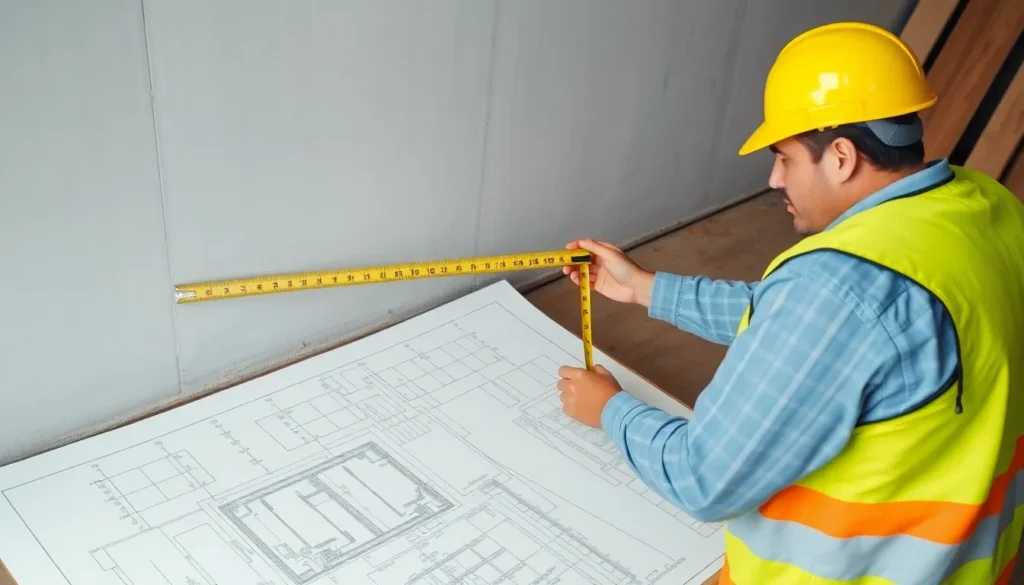
In a world where meters and feet battle for supremacy, the struggle is real. Imagine trying to explain to a friend why a 5-foot-10-inch person is actually 1.78 meters tall. It’s a numbers game that can leave even the most seasoned mathematician scratching their head. But don’t worry; this article is here to untangle the metric mess and bring some clarity to the chaos.
Overview of Meters and Feet
Meters and feet represent two distinct measurement systems. Understanding each unit of measurement clarifies their applications in everyday life.
Definition of Meters
A meter is a fundamental unit of distance in the metric system. Defined as 1,000 millimeters, it serves as the benchmark for measuring length. Meters standardize measurements in various fields, including science and engineering. For instance, a common use involves expressing the height of a building in meters, where even short distances are often measured in centimeters. Meters align with the International System of Units (SI), ensuring global consistency in measurements. In practical applications, 1 meter equals approximately 3.2808 feet.
Definition of Feet
Feet function as a primary unit of measurement in the imperial system. One foot comprises 12 inches, facilitating detailed measurements in different contexts. Many people encounter feet in everyday situations, such as measuring height or room dimensions. For example, sports often report athlete heights in feet. Feet represent an older measurement system primarily used in the United States and a few other regions. This unit provides a familiar framework for many, as 1 foot equals approximately 0.3048 meters.
Importance of Units of Measurement
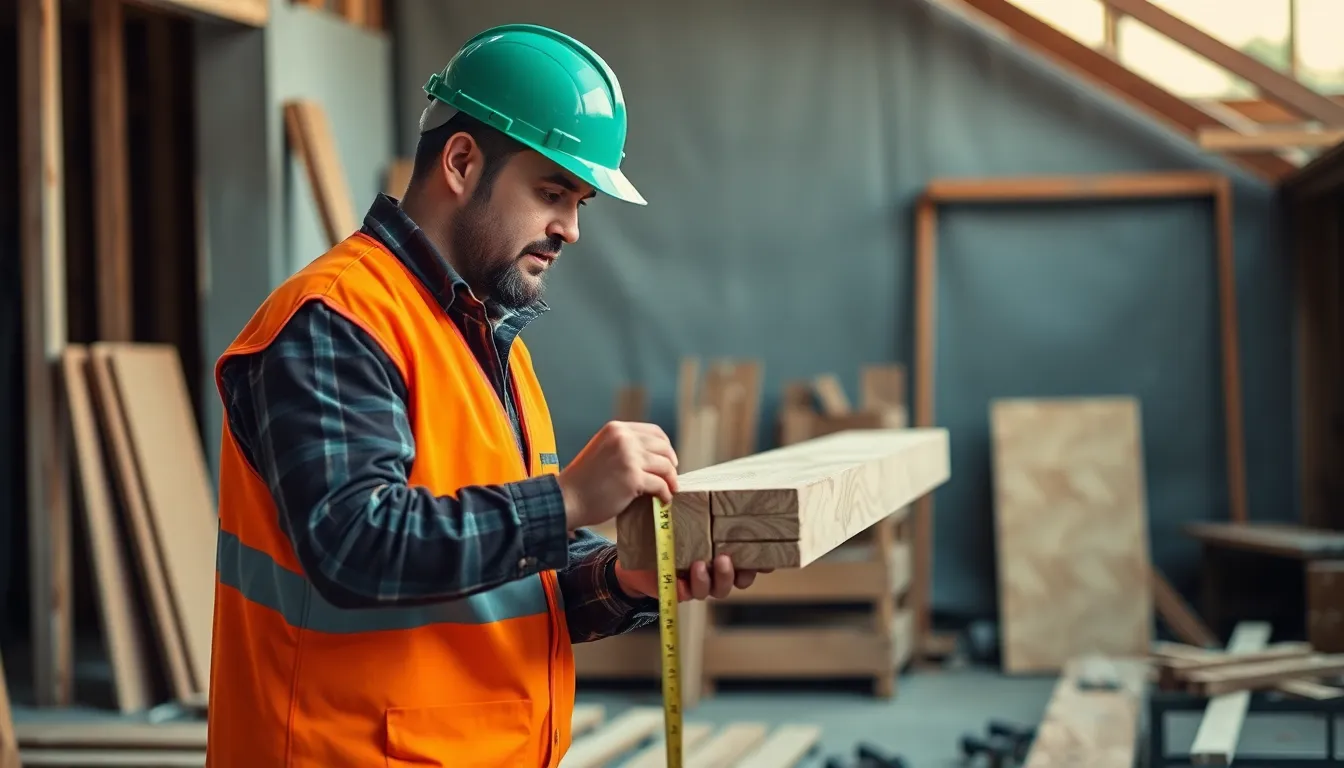
Understanding the importance of units of measurement fosters clearer communication and effective collaboration across various fields. Clarity in measurements enhances precision and minimizes errors in applications like construction and engineering.
Historical Context
Measurements evolved significantly over centuries. Ancient civilizations employed various systems tailored to their needs. The metric system began in France in the late 18th century, aiming for universal adoption and clarity. Comparatively, the imperial system’s roots trace back to English and Roman traditions, reflecting local customs. Adoption of these systems varies regionally, influencing global trade and interaction. Different systems persisted, resulting in continued debate over standardization. Efforts to bridge this gap emphasize the role of measurement in historical development, promoting international understanding.
Applications in Daily Life
Units of measurement play a critical role in everyday activities. People often use feet and inches for personal height, while meters are common in scientific contexts. Builders rely on these units for accurate construction dimensions. In countries using the metric system, health professionals recommend medication dosages based on milliliters or grams. Meanwhile, in the U.S., nutrition labels typically list calories and serving sizes in ounces. Travelers and navigators frequently make use of miles versus kilometers, affecting route planning and travel time. Choices in measurement systems directly impact daily tasks and experiences.
Ones Working with Meters and Feet
Different professionals navigate meters and feet daily. Conversions between these units remain critical, especially within specific industries.
Professionals in Engineering
Engineers frequently utilize both measurement systems for varying applications. They calculate dimensions, design specifications, and structural requirements, ensuring compliance with relevant standards. Meters play a significant role in designing components for international projects, aligning with the International System of Units. Feet often appear in local building codes, particularly in the United States, given its familiarity in documentation. Engineers convert between units to facilitate collaboration across global teams. Their ability to efficiently switch between meters and feet streamlines project execution and enhances communication.
Role in Construction
Construction professionals rely on both meters and feet for precise measurements. Plans and blueprints often reflect dimensions in feet, especially for residential buildings in the United States. Many workers and contractors prefer feet, as they align with established practices. Occasionally, projects involve international specifications where meters are essential. Builders use these conversions to ensure safety and accuracy, leading to effective construction practices. Project timelines worsen when conversions are misunderstood. Using both systems effectively ensures clarity among the diverse workforce in construction.
Challenges Faced by Practitioners
Practitioners dealing with measurement systems face various challenges, particularly involving conversions and standardizations.
Conversion Difficulties
Conversion between meters and feet leads to frequent errors. Many individuals struggle to remember the precise conversion factor; 1 meter equals approximately 3.2808 feet. Misunderstandings arise when professionals must transform measurements during projects or daily tasks. Engineers often depend on digital calculators for accuracy, yet manual calculations still yield confusion. In constructions, for instance, miscalculations can result in incompatible plans and costly adjustments. Professionals sometimes delay project timelines due to these inconsistencies, underscoring the importance of clarity and confidence in conversions.
Standardization Issues
Standardization of measurement systems poses additional hurdles for practitioners. Variability in building codes often arises in different regions, particularly between metric and imperial systems. Some construction professionals utilize feet exclusively for local projects, while others rely on meters for international collaborations. Lack of universal standards complicates communication among global teams, leading to potential errors in execution. While international projects may favor metric usage for uniformity, local codes may dictate the use of feet. This duality highlights the necessity of establishing clearer guidelines to streamline practices across different measurement systems.
Navigating the complexities of meters and feet is essential for effective communication in various fields. Understanding both measurement systems not only enhances collaboration among professionals but also minimizes errors in projects. As the world becomes increasingly interconnected, the ability to convert and utilize these units with confidence is more important than ever.
Embracing both meters and feet can lead to more precise outcomes in construction, engineering, and everyday life. By fostering a clear understanding of these measurements, individuals can contribute to smoother workflows and successful project completions. Ultimately, bridging the gap between these systems paves the way for improved international cooperation and understanding.