
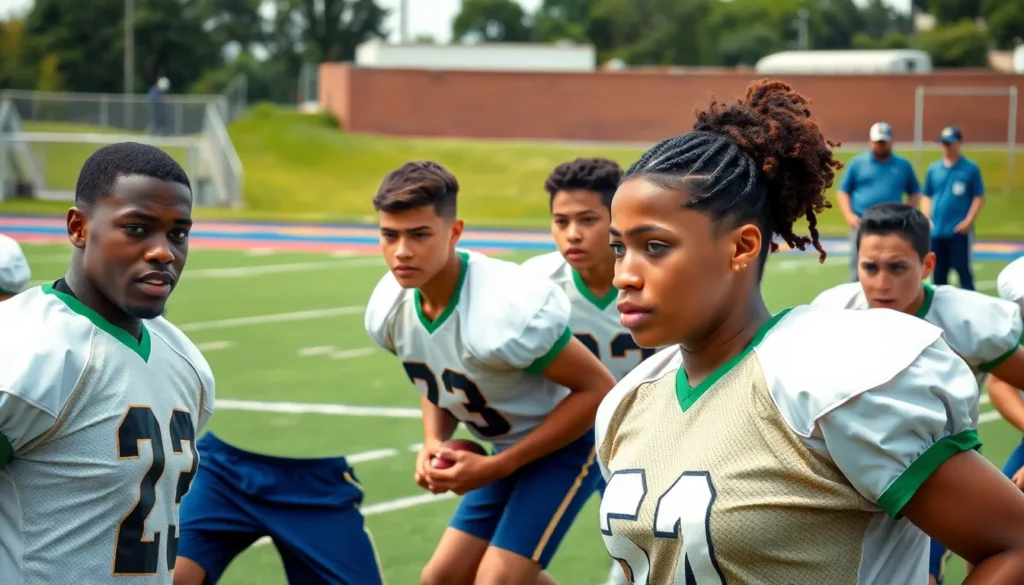
In the world of college sports, recruitment is the name of the game. Picture this: talented athletes hustling on the field while coaches scout their next big star. It’s a high-stakes arena where dreams collide with opportunity, and the right moves can lead to a scholarship or a ticket to the big leagues.
But let’s face it: navigating the recruitment process can feel like trying to score a touchdown in a game of dodgeball. With so much information out there, it’s easy to get lost in the chaos. That’s where a solid strategy comes in. Understanding the ins and outs of college sports recruitment can set aspiring athletes apart from the competition. So grab your gear, and let’s dive into the essentials that can turn those dreams into reality.
Overview of College Sports Recruitment
College sports recruitment involves the process through which coaches identify and evaluate talented athletes. Athletes often face competitive circumstances, as many vie for limited scholarships each year. Various factors influence recruitment, including athletic performance, academic achievements, and personal character.
Recruitment can begin as early as a student’s freshman year of high school. Coaches often scout high school games and tournaments to discover potential recruits. In addition to on-field skills, athletes also showcase their abilities through highlight videos and social media profiles. These elements play a significant role in presenting their strengths to college programs.
The National Collegiate Athletic Association (NCAA) oversees recruitment rules and eligibility requirements. Compliance with NCAA regulations is vital for athletes seeking scholarships. Understanding these rules can enhance their chances of receiving attention from college coaches.
Communication forms another essential aspect of the recruitment process. Maintaining contact with coaches through emails and phone calls can help strengthen an athlete’s profile. Engaging with coaches demonstrates commitment and interest in their programs.
Ultimately, aspiring athletes must develop a well-thought-out strategy for recruitment. Crafting a strong athletic resume and preparing for showcases can further increase visibility. The competition remains fierce, yet effective preparation positions athletes for success within the college sports landscape.
The Recruitment Process

The recruitment process in college sports is crucial for athletes aiming for scholarship opportunities and professional advancement. It consists of several stages that require strategy and diligence.
Initial Scouting
Coaches begin initial scouting at high school games and tournaments. They look for athletes who exhibit exceptional skills, strong work ethic, and competitive spirit. Highlight videos play an important role in capturing attention. Athletes should submit footage showcasing their best performances to increase visibility. Utilizing social media platforms effectively can also attract the eyes of recruiters. The recruitment process often starts as early as a freshman year, offering ample time for athletes to develop their skills and presence.
Communication with Prospects
Establishing effective communication with coaches is essential for athletes. Direct outreach demonstrates interest and commitment. Sending personalized emails can convey athletes’ passion and highlight their achievements. Responses from coaches provide insight into recruitment status and expectations. Maintaining consistent contact helps to build relationships and keeps prospects on recruiters’ radars. Athletes must be prepared to discuss their goals, challenges, and any support they seek regarding scholarships or training. Engaging in honest and open conversations fosters trust and enhances an athlete’s profile.
Key Factors in College Sports Recruitment
Recruitment in college sports relies on several crucial factors. Understanding these elements can significantly enhance an athlete’s prospects.
Athletic Ability
Athletic ability remains a primary focus. Coaches prioritize strong performance, particularly in competitive environments such as high school games and tournaments. Exceptional skills often attract attention, and demonstrating consistency is vital. Training and improvement through rigorous practice can set an athlete apart. Moreover, maintaining peak physical condition showcases dedication. Highlight videos should showcase not only skills but also game awareness and teamwork. Coaches look for athletes who can perform under pressure, reflecting their potential for success at the collegiate level.
Academic Performance
Academic performance plays an essential role in recruitment. Schools require student-athletes to meet specific GPA requirements. Excelling in academics indicates discipline and time management, traits valuable to coaches. Strong academic credentials can open doors, even if athletic ability may not be elite. Furthermore, participation in Advanced Placement or honors courses highlights ambition and dedication. Athletes should maintain a balance between sports and studies, demonstrating their capability to manage both demands. Maintaining open communication with guidance counselors also aids in understanding the academic expectations of targeted colleges.
Character and Leadership
Character and leadership qualities significantly impact recruitment decisions. Coaches value athletes who display integrity and resilience on and off the field. Demonstrating the ability to work within a team environment shows potential for positive contributions to team dynamics. Leaders inspire teammates and set examples through hard work and perseverance. Personal references from coaches or mentors can further validate an athlete’s character. Involvement in community service or extracurricular activities showcases a well-rounded individual. Ultimately, an athlete’s character and leadership qualities can differentiate them in a pool of talent.
The Role of Coaches and Recruiters
Coaches play a pivotal role in college sports recruitment. They assess athletes’ potential and skills during high school games and tournaments. Recruiters search for exceptional talent, analyzing athletes’ performances and character traits. Communication becomes crucial in building relationships with prospects.
Initial engagements involve scouting events. During matches, coaches observe athletes’ capabilities and work ethics. Highlight videos serve as essential tools for showcasing individual talent. Social media presence increases visibility and helps athletes connect with coaches.
Establishing direct communication with recruiters showcases dedication. Personalized outreach through emails highlights an athlete’s commitment to their sport. Consistent follow-up keeps potential recruits on coaches’ radars, enhancing accountability.
Character evaluation is equally vital in the recruitment process. Coaches often seek athletes who demonstrate integrity, leadership, and resilience. Involvement in community service reflects personal values that align with a team’s culture. Those qualities can significantly elevate an athlete’s profile in a competitive landscape.
Academic performance also influences recruitment decisions. Student-athletes need to meet specific GPA requirements to be eligible for scholarships. Strong academic credentials improve recruitment prospects, demonstrating discipline and commitment beyond athletics.
By understanding the roles of coaches and recruiters, athletes can tailor their approaches effectively. It becomes paramount for aspiring college athletes to be proactive in their recruitment strategy. Every interaction counts, shaping the path toward securing scholarships and advancing in their sports careers.
Challenges in College Sports Recruitment
Navigating college sports recruitment presents several challenges for aspiring athletes. The intense competition among talented individuals makes it difficult to secure attention from coaches. High school athletes face overwhelming pressure as they try to differentiate themselves through athletic performance and academic excellence.
Communication stands out as a critical hurdle. Many athletes struggle to effectively connect with coaches, missing opportunities to showcase their skills and dedication. Frequent outreach through personalized emails can set candidates apart but requires consistent effort.
Maintaining a strong online presence plays an essential role. Athletes must create engaging highlight videos and showcase their achievements on social media. Many struggle with how to present themselves authentically while adhering to NCAA regulations, leading to confusion about what content enhances visibility and appeal.
Balancing academics and athletics adds another layer of complexity. Coaches prioritize strong academic records, requiring student-athletes to meet GPA standards while managing rigorous training schedules. A lack of academic diligence can jeopardize recruitment opportunities, underscoring the importance of time management and commitment.
Character evaluation is also significant in the recruitment process. Coaches seek athletes who demonstrate traits like integrity and leadership. Many young athletes may not recognize how their involvement in community service and extracurriculars can enhance their profiles, further complicating their recruitment journey.
Lastly, the emotional aspect of recruitment cannot be overlooked. Athletes often experience stress and uncertainty throughout the process. Cultivating resilience and maintaining a positive outlook can help candidates navigate the ups and downs, ensuring they remain focused on their athletic goals.
Navigating the college sports recruitment landscape can be daunting yet rewarding for aspiring athletes. By understanding the importance of athletic performance academic achievements and personal character they can better position themselves for success. Developing a strategic approach to recruitment that includes effective communication with coaches and a strong online presence is crucial.
Athletes should remain resilient and proactive throughout the process. Balancing academics with athletics while showcasing their unique qualities can set them apart in a competitive field. As they pursue their dreams of scholarships and professional opportunities maintaining focus and determination will be essential in achieving their goals in college sports.