
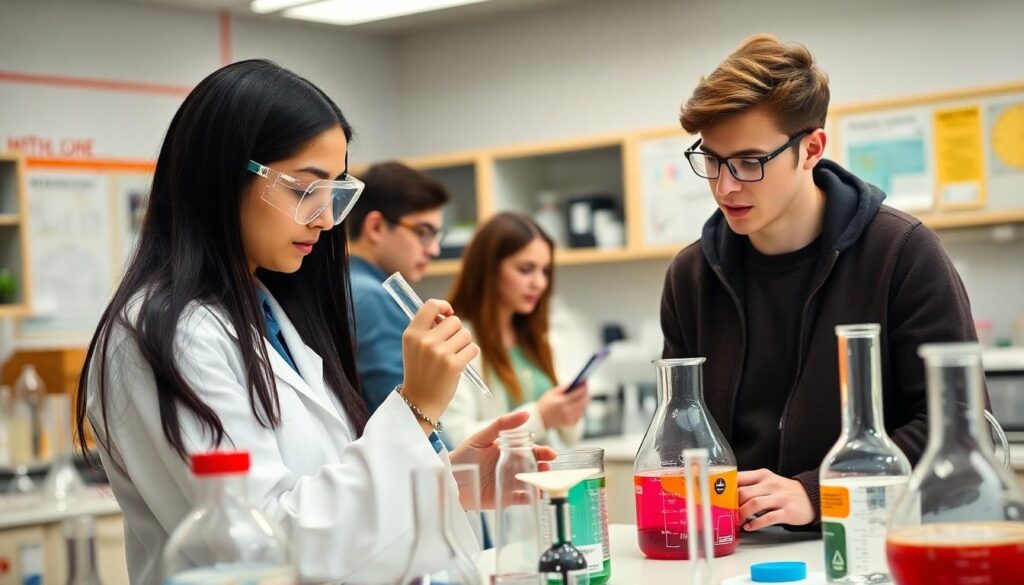
College chemistry classes can feel like a wild rollercoaster ride—full of twists, turns, and the occasional explosion (hopefully just in the lab). For many students, the mere mention of chemistry conjures images of complex equations and mysterious reactions. But fear not! These classes are not just about memorizing the periodic table; they’re a gateway to understanding the world around us.
Overview of College Chemistry Classes
College chemistry classes cover a wide range of topics that form the backbone of scientific study. Fundamental concepts such as stoichiometry, thermodynamics, and chemical kinetics create a solid foundation for students. Students engage in various laboratory experiments, allowing them to apply theoretical knowledge to practical scenarios. Chemistry coursework typically includes organic chemistry, analytical chemistry, and physical chemistry, each focusing on different aspects of chemical science.
Assessment methods in these classes vary and may consist of exams, quizzes, and lab reports. Each evaluation method aims to test comprehension and application of chemical principles. Many professors emphasize collaborative learning, encouraging group projects and discussions to foster a deeper understanding of complex ideas.
Class sizes often differ, with some institutions offering large lectures followed by smaller lab sections. This approach enables students to receive personalized guidance while engaging with peers. Resources such as textbooks, online platforms, and lab equipment enhance the learning experience significantly.
Grades in college chemistry classes can directly impact students’ academic trajectories, especially for those pursuing STEM degrees. Many students find that consistent study habits and active participation in labs lead to better outcomes. Various support options are often available, including tutoring services and study groups.
College chemistry classes offer a comprehensive exploration of chemical science. The curriculum challenges students while providing essential skills for future scientific endeavors. Engaging with these topics not only nurtures analytical thinking but also prepares students for advanced studies and careers in chemistry-related fields.
Importance of College Chemistry Classes
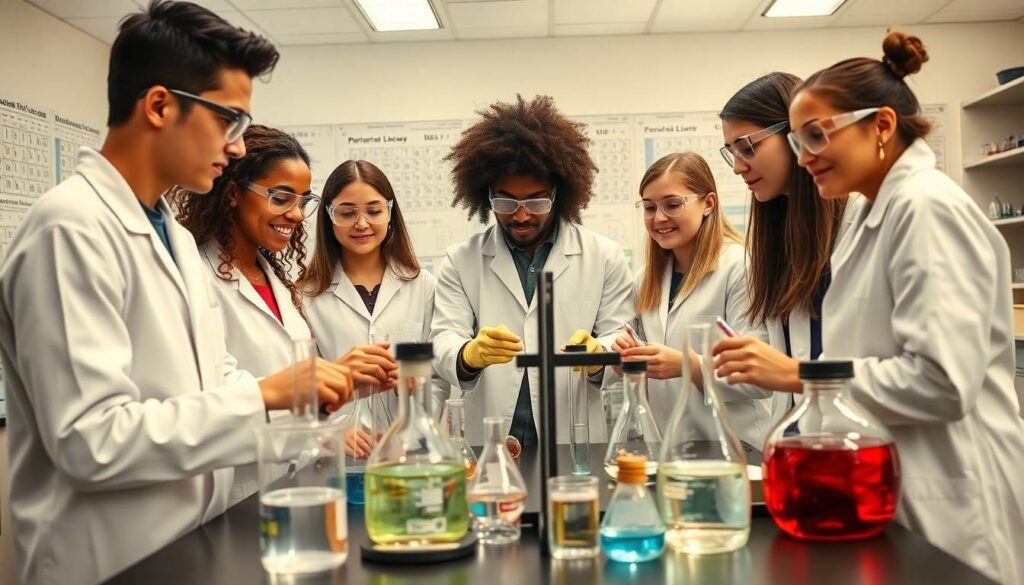
College chemistry classes serve as essential stepping stones for students pursuing careers in science and technology. Engaging with chemistry establishes a strong knowledge base crucial for success in many fields.
Foundation for Science Major
Chemistry provides the foundational knowledge necessary for other science majors. Understanding chemical principles forms the bedrock for disciplines like biology, physics, and environmental science. Students who grasp concepts such as atomic structure, bonding, and chemical reactions excel in higher-level courses. Strong chemistry skills facilitate a seamless transition into complex scientific topics, reinforcing the interconnectedness of various scientific disciplines. In addition, these classes develop critical thinking abilities, vital for analyzing scientific data and conducting experiments effectively.
Real-World Applications
Real-world applications of chemistry abound in everyday life. This subject helps students appreciate the role of chemicals in health, industry, and the environment. Knowledge gained in class informs decisions about nutrition, energy consumption, and environmental conservation. For instance, understanding chemical reactions is fundamental in fields like pharmacology, where it aids in drug development. Furthermore, chemistry underpins innovations in technology, such as green energy solutions. Awareness of these applications enhances students’ appreciation for chemistry and its relevance in addressing global challenges.
Curriculum Structure
The curriculum structure of college chemistry classes provides a clear pathway for students to build their knowledge. Students typically start with foundational courses, preparing them for more complex topics.
Introductory Chemistry Courses
Introductory chemistry courses cover essential principles like atomic structure, bonding, and basic stoichiometry. In these courses, students explore fundamental concepts that underpin advanced studies. Hands-on laboratory experiments complement theoretical lessons, enhancing practical understanding. Assessments in introductory classes often include quizzes and exams, evaluating mastery of key topics. Collaborative projects encourage interaction, making challenging concepts more accessible.
Advanced Chemistry Topics
Advanced chemistry topics delve into specialized fields such as organic chemistry, physical chemistry, and biochemistry. Each area offers unique insights into molecular interactions and chemical processes. Students encounter intricate theories and complex reactions, pushing the boundaries of their knowledge. A strong focus on laboratory techniques enhances skills crucial for scientific research. Exams and research projects assess comprehension and application of advanced concepts, preparing students for careers in scientific industries.
Teaching Methods in College Chemistry
Teaching methods in college chemistry focus on combining theory with practical application. Diverse approaches enhance student understanding across various concepts.
Traditional Lectures
Traditional lectures serve as a foundational method for delivering core knowledge. Instructors present key topics, explaining the principles of chemistry through clear, structured content. Visual aids like slides support comprehension, making complex ideas more accessible. Engaging students through questions fosters interaction, allowing them to clarify doubts. Note-taking becomes essential as students capture crucial information during these sessions. Supplementing lectures with reading materials further enhances understanding of topics such as atomic structure and chemical bonding. Such methods cultivate a solid knowledge base that prepares students for more advanced subjects.
Laboratory Experiences
Laboratory experiences provide hands-on learning opportunities that reinforce theoretical concepts. Students engage in experiments that demonstrate chemical reactions and principles in real-time. Safety protocols become integral as they learn to handle equipment and materials responsibly. Each experiment helps students develop critical skills such as data collection, analysis, and problem-solving. Collaborating in groups encourages teamwork, fostering a supportive learning environment. Detailed lab reports assess students’ understanding and ability to communicate findings. These practical applications bridge the gap between theory and practice, equipping students with essential skills for future scientific endeavors.
Challenges Faced by Students
Students encounter various challenges in college chemistry classes, impacting their overall learning experience. These hurdles often stem from the complexities of the subject matter and time management struggles.
Difficulty of Concepts
Understanding core concepts remains a primary challenge. Many students grapple with topics such as atomic structure, thermodynamics, and kinetics. These areas often require strong analytical and problem-solving skills, which can be daunting. Students frequently report feeling overwhelmed by the volume of material, especially when advanced topics like organic chemistry are introduced. Mastery of these concepts is essential, as they form the foundation for higher-level courses. Instructors encourage seeking help through tutoring sessions, study groups, and online resources to clarify doubts and enhance comprehension.
Time Management Issues
Effective time management presents another significant challenge. Juggling classes, lab work, and study schedules proves difficult for many students. Assignments often pile up, leading to increased stress and inadequate preparation for exams. Prioritizing tasks can help students allocate sufficient time for both theoretical learning and practical application. Developing a structured study plan enables students to balance coursework effectively. Utilizing calendars, setting deadlines, and breaking tasks into manageable segments contribute to improved success in meeting academic demands.
Conclusion
College chemistry classes play a pivotal role in shaping future scientists and innovators. They not only challenge students but also equip them with essential skills for understanding the complexities of the natural world. Through a blend of theory and hands-on experience, these courses foster critical thinking and problem-solving abilities.
As students navigate the ups and downs of chemistry, they gain valuable insights that extend beyond the classroom. The collaborative learning environment encourages teamwork and communication, vital skills in any scientific career. Ultimately, the journey through college chemistry lays a strong foundation for students to excel in various fields, driving advancements in health, technology, and environmental science.