
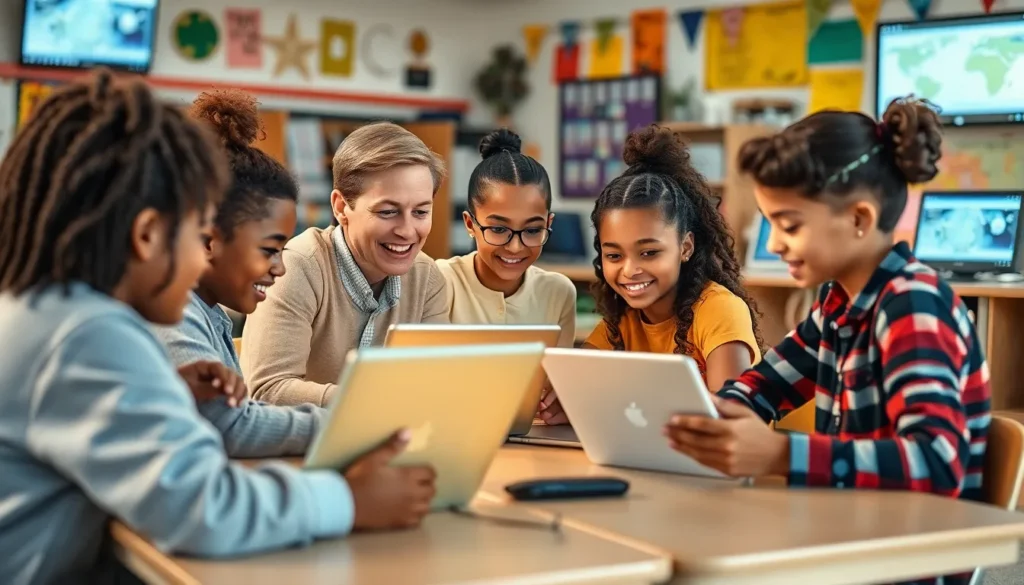
Imagine a classroom where every student feels like a superstar, learning at their own pace and style. That’s the magic of adaptive learning. It’s not just a fancy buzzword; it’s a game-changer in education that tailors lessons to fit individual needs. No more one-size-fits-all approaches that leave some students scratching their heads while others breeze through.
Overview of Adaptive Learning
Adaptive learning transforms the educational experience by tailoring instruction to individual learner needs. It incorporates technology to analyze a student’s strengths and weaknesses, adjusting content accordingly. Each interaction provides instant feedback, guiding students toward mastery in specific areas.
Lessons adapt in real-time, ensuring learners engage with material suited to their pace. By personalizing pathways, adaptive learning enhances motivation and reduces frustration. Various platforms utilize algorithms to track progress, recommending resources that cater to diverse learning styles.
Educators leverage analytics to inform instruction, creating targeted interventions that address gaps in knowledge. Such insights enable teachers to identify students requiring additional support. Additional data shows that learners in adaptive environments significantly improve their overall performance compared to traditional methods.
Many institutions have begun implementing adaptive learning technologies in their curricula. Adaptive assessments measure understanding and tailor future lessons based on performance. Students benefit from a focused approach, promoting autonomy and enhancing retention.
Research illustrates that personalized learning fosters deeper comprehension and critical thinking skills. Adaptive learning systems also facilitate collaboration among students, encouraging peer learning through shared experiences. Institutions embracing this method often report higher levels of student satisfaction and engagement.
Adaptive learning represents a shift in educational paradigms—it prioritizes personalized growth and development, making learning more effective. With ongoing advancements in educational technology, adaptive learning’s potential continues to expand, paving the way for a more inclusive educational landscape.
Benefits of Adaptive Learning
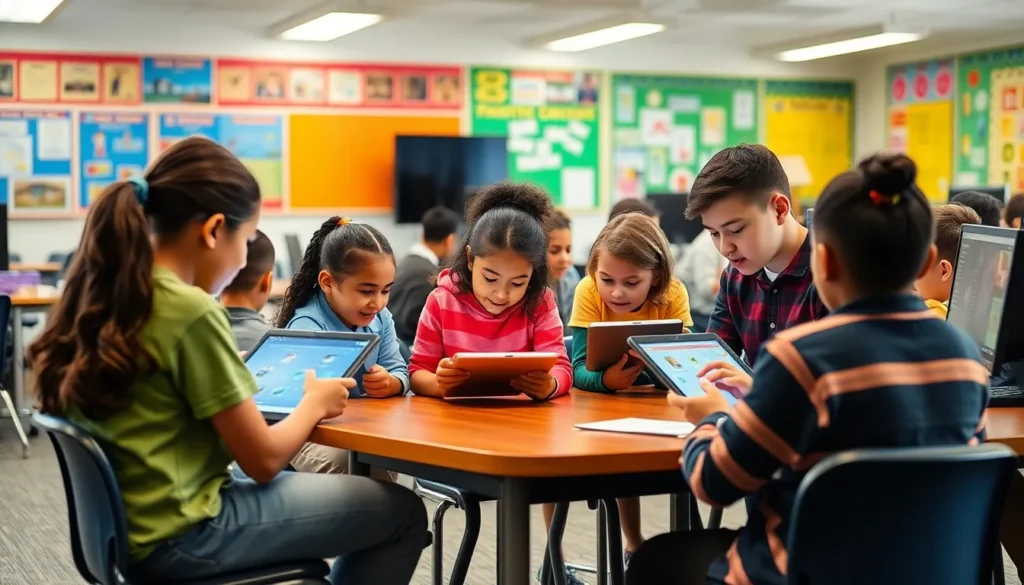
Adaptive learning offers significant advantages, enriching the educational experience through targeted strategies and advanced technology.
Personalization in Education
Personalization enhances each student’s learning journey. Students receive tailored content that addresses their specific strengths and weaknesses. Such individualized pathways foster an environment where learners can progress at their own pace. Learners often engage more deeply with material designed for their unique needs. This individualized approach contributes to a comprehensive understanding of the subject matter. Research confirms that personalized education promotes a sense of autonomy, making students feel empowered in their learning process. Variability in teaching methods accommodates diverse learning styles and preferences effectively.
Increased Engagement and Motivation
Increased engagement emerges as a hallmark of adaptive learning. Students demonstrate heightened motivation when provided with customized learning experiences. Interactive resources draw students into active participation. A dynamic learning environment built on feedback leads to improved performance. Consequently, students become more invested in their education, resulting in greater satisfaction and retention. Institutions leveraging adaptive learning report higher levels of student enthusiasm and completion rates. Emphasizing critical thinking skills fosters collaboration among peers, transforming the classroom into a vibrant learning community.
Technologies Enabling Adaptive Learning
Adaptive learning leverages multiple technologies to create personalized educational experiences. Key advancements include artificial intelligence and innovative learning management systems.
Artificial Intelligence in Adaptive Learning
Artificial intelligence plays a pivotal role in adaptive learning. It analyzes individual learning patterns to provide tailored recommendations. Algorithms assess strengths and weaknesses, offering instant feedback. Personalization in real-time enhances student engagement and retention. AI-driven platforms can adapt content complexity based on performance, ensuring students receive appropriate challenges. Data collected enables continuous improvement in educational strategies. Research consistently shows that AI in adaptive learning environments significantly boosts performance relative to traditional methods.
Learning Management Systems
Learning management systems (LMS) support adaptive learning by providing a structured environment for content delivery. These systems facilitate adaptive assessments that measure comprehension. Customizable learning pathways within LMS enable flexible curricula that respond to student needs. Analytics embedded in these systems track progress, guiding educators in their instructional methods. Integration with adaptive content further personalizes the experience. Many institutions report that effective use of LMS leads to improved student satisfaction and engagement. Automation of administrative tasks also allows educators to focus on personalized interactions with learners.
Challenges in Implementing Adaptive Learning
Implementing adaptive learning presents various challenges that can hinder its effectiveness in educational settings.
Technical Limitations
Technical limitations pose significant hurdles. Many educational institutions face issues related to outdated infrastructure, which affects the integration of adaptive learning technologies. Additionally, software compatibility problems often arise when schools try to implement various adaptive platforms. Data privacy concerns also create obstacles, as stakeholders prioritize student security while leveraging analytics. Furthermore, ongoing technical support is crucial to ensure that educators can effectively utilize adaptive learning tools. These limitations can prevent full adoption and hinder the intended benefits of personalized learning.
Learner Resistance
Learner resistance can be a major challenge in adaptive learning environments. Some students may prefer traditional learning methods due to familiarity. Change often feels daunting, leading to hesitance in embracing new technologies. Additionally, adaptability requires students to take an active role in their education, which can be intimidating for some. Building a positive mindset toward innovation is essential for effective implementation. A lack of understanding about the benefits of adaptive learning can further fuel resistance. Educators must actively address these concerns to foster student buy-in for adaptive learning initiatives.
Future Trends in Adaptive Learning
Emerging trends in adaptive learning continue to reshape the educational landscape. One significant trend involves the increased use of artificial intelligence (AI) to further enhance personalization. As AI capabilities grow, they enable more sophisticated analysis of learners’ behaviors, resulting in highly customized learning experiences.
Gamification represents another trend gaining traction in adaptive learning environments. Engaging elements like points, badges, and leaderboards motivate students, making learning more interactive. These features encourage participation and achievement, thereby enhancing student satisfaction.
Additionally, mobile learning solutions are capturing attention. As smartphones and tablets become ubiquitous, institutions adopt mobile-friendly adaptive learning platforms. This shift allows students to access resources anytime and anywhere, promoting flexibility in their learning processes.
Integration of social learning experiences also emerges as a future trend. Collaborating with peers fosters a sense of community, enhancing motivation and deepening understanding. By incorporating discussions, group projects, and peer feedback, adaptive learning environments become more dynamic.
Moreover, the rise of data-driven decision-making in education cannot be overlooked. Institutions increasingly leverage analytics to identify trends in student engagement and performance. Utilizing these insights allows educators to make informed adjustments to instructional methods, resulting in better learning outcomes.
Personalization is set to expand even further with advancements in technology. Adaptive learning systems are now capable of adjusting content delivery and pacing in real-time, ensuring that each student’s unique needs are met. These advancements contribute to a more responsive and effective learning environment.
Lastly, emphasis on lifelong learning is gaining traction. Adaptive learning supports continuous skills development throughout an individual’s life. This approach prepares learners for an ever-changing job market by equipping them with necessary, up-to-date knowledge and competencies.
Adaptive learning is revolutionizing education by prioritizing personalized experiences that cater to individual student needs. This innovative approach not only enhances engagement but also fosters deeper understanding and critical thinking skills. As technology continues to evolve, the potential for adaptive learning grows, promising even more tailored educational pathways.
While challenges exist in implementation, the benefits of adaptive learning far outweigh the obstacles. Institutions that embrace this model often see improved student satisfaction and performance. The future of education lies in adapting to each learner’s unique journey, making adaptive learning a crucial element in shaping effective and dynamic learning environments.