
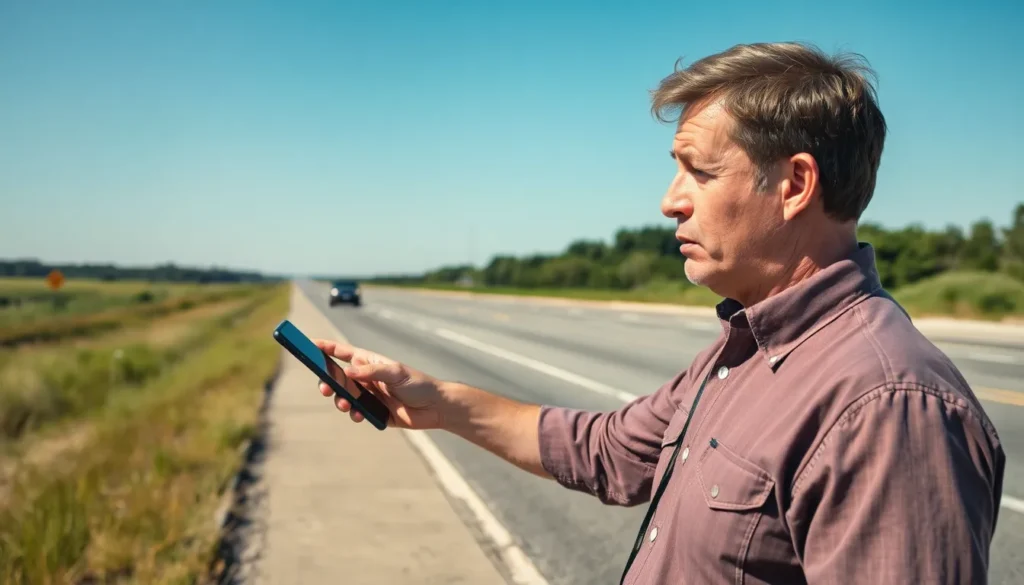
Picture this: you’re cruising down the road, enjoying your favorite playlist, when suddenly a car swerves dangerously close to you. It’s like a scene straight out of an action movie, but this isn’t Hollywood—it’s real life. Drunk driving isn’t just reckless; it’s a serious threat to everyone on the road. If you spot someone weaving like they’re auditioning for a dance-off, knowing how to report a drunk driver can save lives.
Reporting a drunk driver might not be on your bucket list, but it’s a crucial skill. With a few simple steps, you can be the superhero who helps keep the roads safe. So grab your phone and get ready to channel your inner crime-fighter. It’s time to take action and ensure that the only thing people are raising their glasses to is good times, not dangerous driving.
Understanding Drunk Driving
Drunk driving poses a significant hazard on the roads. Awareness of its impact and the associated risks drives individuals to act responsibly.
The Dangers of Drunk Driving
Drunk driving results in severe accidents, injuries, and fatalities. Statistics show that in the US, nearly 30 people die daily in alcohol-related crashes, according to the National Highway Traffic Safety Administration. High blood alcohol concentration impairs judgment, slows reaction time, and reduces coordination. Individuals operating vehicles while intoxicated often struggle to stay in their lanes, misjudge distances, and exceed speed limits. These factors increase the likelihood of collisions, endangering not only the driver but also passengers and innocent road users. Recognizing these dangers strengthens the urgency of reporting suspected drunk drivers.
Legal Implications
Legal consequences for drunk driving can be severe. A first offense typically results in fines, license suspension, and potential jail time, depending on state laws. Repeat offenders face escalating punishments, which can include longer license suspensions, larger fines, and mandatory alcohol education programs. Driving under the influence often results in a misdemeanor charge, escalating to felony if injuries occur. Convictions leave lasting impacts on criminal records, affecting job opportunities and insurance rates. Understanding these implications encourages individuals to take action when witnessing erratic driving behavior.
Recognizing Signs of Drunk Driving
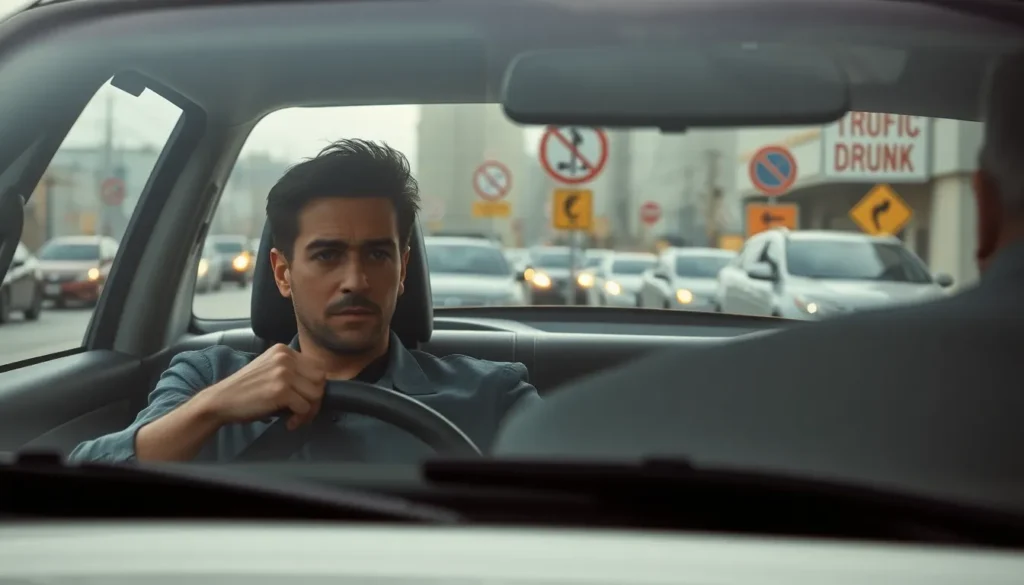
Identifying a drunk driver can prevent accidents and save lives. Recognizing specific behaviors and physical indicators can help in making timely reports.
Common Behaviors
Swerving across lanes signals impaired driving. Driving too fast or too slow often indicates loss of judgment. Frequent braking or accelerating abruptly can point to impaired decision-making. Ignoring traffic signals suggests a lack of focus. Tailgating may indicate frustration or poor control. Making wide turns or sudden lane changes often accompanies driving under the influence. Any of these behaviors warrant a closer look.
Physical Indicators
Bloodshot eyes frequently accompany alcohol consumption. Slurred speech indicates impaired communication. Difficulty maintaining balance can suggest a lack of coordination. Strong alcohol odor may seep from the driver’s breath or clothing. Inability to follow simple instructions often reflects impaired cognitive function. These physical signs provide further clues in identifying a potential drunk driver.
Steps to Report a Drunk Driver
Reporting a drunk driver requires careful observation and clear communication. Following these steps ensures that the process is effective and assists authorities in keeping the roads safe.
Gathering Important Information
Collect specific details about the vehicle involved in suspected drunk driving. Note the license plate number, make, model, and color of the vehicle. Observe the driver’s behavior, including erratic movements or violations of traffic laws. Remember to take note of the location and time of the incident. If possible, gather the direction in which the vehicle is traveling. By recording this information accurately, individuals provide critical context for law enforcement.
Contacting Authorities
Reach out to local law enforcement immediately upon gathering essential information. Dial the emergency number, typically 911, or use the non-emergency number if the situation is less critical. Clearly explain the situation, providing all collected data to the dispatcher. Describe the driver’s behavior and indicate the location of the vehicle. Remain on the line if requested, as further instructions may be necessary. Reporting promptly aids in addressing potential risks quickly, contributing to safer roads for everyone.
What to Expect After Reporting
After reporting a drunk driver, individuals may experience various actions from law enforcement. A swift response often follows, as officers prioritize reports of impaired driving.
The Investigation Process
The investigation begins with the responding officers arriving at the scene. They may interview witnesses, including the person who reported the driver. Officers assess the situation by looking for evidence of reckless behavior or traffic violations. Sometimes, they contact the reported driver to evaluate their sobriety. If necessary, breathalyzer tests may be administered to confirm alcohol consumption levels. Overall, the investigation aims to gather enough information to act appropriately and prevent further danger on the roads.
Potential Outcomes
Outcomes can vary significantly based on the findings of the investigation. Law enforcement might issue a citation to the drunk driver, which could include fines or other penalties. In some cases, arresting the driver occurs if impairment is evident. License suspension can follow for those charged with DUI offenses. Repeat offenders often face heightened consequences, including longer suspensions and mandatory alcohol education programs. Overall, the outcomes serve to deter impaired driving and enhance public safety on the roads.
Taking action against drunk driving is crucial for public safety. By recognizing the signs of impaired driving and knowing how to report a suspected drunk driver, individuals can play a vital role in preventing accidents. The process may seem daunting but being observant and providing detailed information to law enforcement can lead to swift intervention.
Every report contributes to creating safer roads for everyone. It’s not just about protecting oneself but also about safeguarding fellow drivers and pedestrians. Empowering oneself with the knowledge of how to act in these situations can make a significant difference in the community. Together, they can help reduce the dangers posed by drunk drivers and promote a culture of responsibility on the roads.